


Creative Ways To Present Data In PowerPoint That Engage Audiences
Table of Contents
There’s no shortage of creative ways to engage your audience when presenting data. It’s easy to slap numbers into a bar graph, present the information and call it a day! But will that have the desired impact on those you are presenting to? Effective data presentations are crucial for delivering information compellingly and engagingly.
In this article we are going to explore the options you have available to you using PowerPoint templates, what creativity can bring to the mix with regard to data presentation, and our recommendations on the next steps you should take if you need a presentation that is data heavy. Learning how to present data effectively in PowerPoint is essential for making your presentations clear and engaging.
Always Understand Your Target Audience
Before you start constructing your presentation, ask yourself – how well do I know the audience I am presenting to? This understanding is critical as you want to produce a presentation that they will connect with. A financial analyst will consume data differently than a sales professional. You need to present data the way the room will connect with it best. In PowerPoint presentations, this means using text strategically to enhance key statistics and improve data visualization.
Collect and Organize Your Data Effectively
Before you even think about opening PowerPoint, you need to ensure that your data is collected and organized effectively. This foundational step is crucial for presenting data in a way that resonates with your audience. Start by identifying reliable and up-to-date sources for your data. Whether you’re pulling from internal databases, industry reports, or third-party research, make sure your information is accurate.
Once you have your data, use tools like spreadsheets or databases to store and manage it. Organize your data into categories and subcategories to make it easier to analyze and present. This structured approach will help you identify patterns and trends that can be highlighted in your presentation. Double-check for any errors or inconsistencies to ensure your data is reliable. Utilizing data visualization tools can also help you spot trends and make your data more digestible. By taking these steps, you’ll be well on your way to presenting data that is both accurate and compelling.
Define the Key Message You Want to Convey
Defining the key message you want to convey is the cornerstone of any effective data presentation. Start by identifying the purpose of your presentation. Are you aiming to inform, persuade, or entertain? Knowing your objective will help you focus on the most relevant data points.
Next, sift through your data to identify the key findings and insights that support your main point. Develop a clear and concise message that encapsulates these insights. This message should be the guiding star of your presentation, ensuring that every slide and data point aligns with it. Make sure your message is tailored to your actual audience, addressing their specific needs and concerns. By keeping your key message front and center, you’ll be able to present data in a way that is both impactful and memorable.

What Options Do You Have When Presenting Data In PowerPoint?
There’s no shortage of options when creating a PowerPoint presentation that will be showcasing numbers, PowerPoint has a wealth of charts and diagrams you can insert.
You need to consider your options for the type of data that you will be presenting, so your point gets across. By knowing your audience and the type of data you want to use in your presentation, you are well on your way to selecting the right format in which to present it in. It is also important to customize templates to fit your own data, ensuring the visual presentation aligns with your unique information and branding preferences. Below are a few common options PowerPoint offers:
Charts
Let’s start with a classic, charts! Charts come in many forms that are available to you. Read on as we explore the best DIY options you have to present your data in PowerPoint. Bar charts are particularly effective in comparing data across different categories.
Line Charts
Line charts, everybody has seen a line chart! However, this always begs the question – are they overused? It’s hardly the sexiest way of displaying numerical data, but it’s a clear and easy way of displaying trends. Up is positive, and down is negative. It certain instances, this is just what the doctor ordered.
Column Charts
Ah, column charts. Not to be confused with its older sibling the bar chart. Again, it’s a way of displaying data that is frequently used as it’s easy to digest and displays the data cleanly. It really doesn’t leave much to the imagination.
Pie Charts
Pie charts are great, I mean who doesn’t love a good pie…chart? Ideal for segmenting items into a visual format. It’s typically a breeze to identify opportunities using a good old-fashioned pie chart.
Bubble Charts
Bubble charts are a brilliant way for you to highlight the distribution of data. Arguably one of the more visually appealing stock formats to display information available in PowerPoint.
Indicators
Indicators, a simple and effective way of showing information through progression, targets that need to be met or showing a focus on where you want your company to be in the future.
Venn Diagrams
We love Venn diagrams for how simple but effective they are for displaying information like similarities, differences and the cross-overs between all the information. A simple, yet effective way to showcase your information and keep your audience’s focus on the detail that matter.
Area Maps
Use an area map if you want to put your information into the real world for your audience to engage with through effective data visuals. Do you have locations you need to present? Any geography that would be beneficial for your presentation? This is where we recommend area maps as an interesting way of presenting data in PowerPoint.
Venturing Beyond PowerPoints Stock Features
The reason we wanted to lead you through the world of PowerPoint options is to highlight its versatility. Heck, we didn’t even cover them all off. With that being said, it can take a significant amount of time to gain the experience you need just to work with the options everyone has available to them.
However, when you really want to make some noise, you need to venture outside what is available to EVERYONE and craft something unique. Check out below the difference that custom graphic design can make.
Here's One We Made Earlier For Dynamic Funds


Don't Be Afraid To Mix It Up. Think Outside The Spreadsheet!
It’s quite popular at the moment in PowerPoint design to mix up how you present data, including the use of data visuals. Don’t feel restricted to a single format. Instead, perhaps use two different types of data presentation on one slide. It will make the data more attractive and interesting to the audience. For example, try using a bar chart on the left and a pie chart for different data on the right. Mixing and matching different styles is engaging.
Incorporate Motion Graphics
You can’t overstate the importance of movement in today’s presentation arena. We are inundated on a daily basis with motion and movements, from social media to streaming services everywhere. Knowing this, displaying a static chart on your next presentation could leave your audience not as captivated as they shoud be. It’s a simple solution, but adding motion graphics and animation to existing data can elevate your professionalism and “wow-factor.”
Check out a quick data visualization animation we created from a 2D static line graph.
Brand Consistency Is Key
It’s easy to get overly excited about your presentation and load it up with more information, graphs and pictures than you need. This is where your talking comes in handy, as we recommend that you display your data in a way that is easy for your audience to process through your unique style while talking about your information as you present. Keep your colours, fonts and graphs consistent throughout your entire presentation.
The financial industry understands the importance of data, figures, and graphs. Although a financial audience may be very savvy, it’s still important to present data in a powerful and meaningful way.
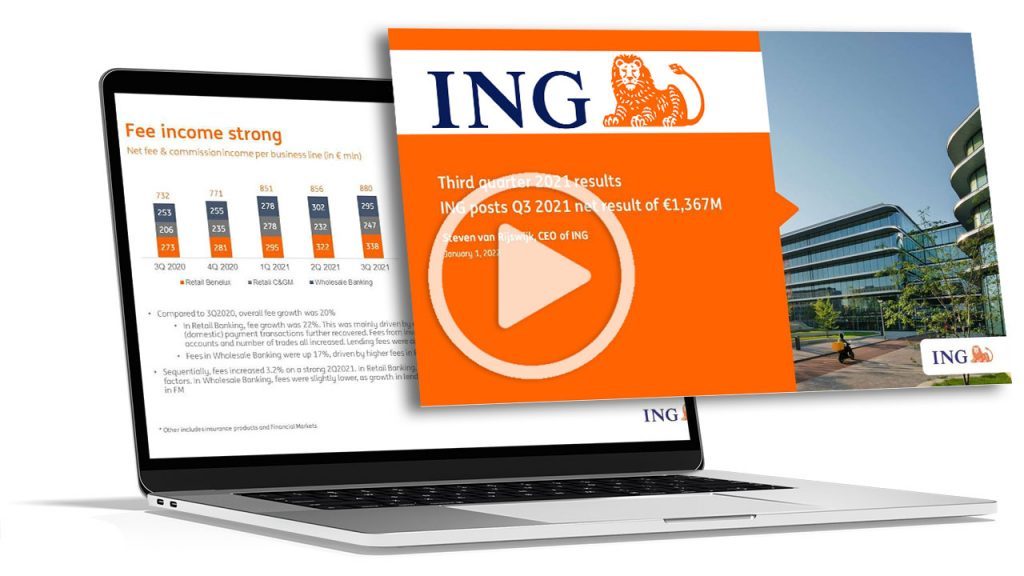
Here’s a great example of consistency that we created for ING Financial.
Designing for Clarity and Consistency
When it comes to presenting data, clarity and consistency are your best friends. A well-designed presentation not only looks professional but also makes it easier for your audience to understand your key message. Start by using a consistent layout and design throughout your presentation. This includes sticking to a uniform color scheme that is both visually appealing and easy to read.
Clear and concise headings and labels are essential for guiding your audience through your data. Use images and graphics to illustrate your points and make your presentation more engaging. However, be mindful not to overload your slides with too much data or too many visuals. The goal is to enhance understanding, not to overwhelm. By focusing on clarity and consistency, you’ll be able to present data in a way that is both effective and engaging.
Only Draw Attention To Key Data Points
Stay focused, your presentation doesn’t need to contain every number you have in your database. Your slides are there to contain key information that supports the point you are there to make. It’s understandable that in certain situations a little more will be required, but on the whole, keep it simple. A crowded slide is an ineffective one. After all, you are there to tell the story, the presentation is your supporting act.
Overlay Data On Top Of Images
It’s incredibly simple, yet incredibly effective. A little creativity can go a long when it comes to bringing your point to life on the screen. Engaging presentations that contain financial information often contain an image or a video to provide context. Placing data over the top of an image that it represents helps to humanize it. Your audience makes the logical connection with the point you are trying to make as you’ve removed barriers. Check our the presentation we created for Brandpoint that did just that!
Presenting Data in a Compelling Way
Presenting data in a compelling way is all about making your information resonate with your audience. One effective technique is storytelling. By framing your data within a narrative, you make it more relatable and engaging. Use visualizations and graphics to illustrate your points and bring your data to life.
Examples and case studies can also make your data more relatable. They provide real-world context that helps your audience understand the practical implications of your data. Interactive elements like polls and quizzes can further engage your audience, making your presentation more dynamic.
Don’t be afraid to inject a bit of humor or share anecdotes to make your presentation more enjoyable. A well-placed joke or a relevant story can make your data more memorable. By using these techniques, you’ll be able to present data in a way that captivates and informs your audience.
Creative Ways To Present Data In PowerPoint - Our Key Takeaways
Customized presentations are key when you want to connect with your audience. Investing time in learning PowerPoint, or any other presentation software is only going to get you so far. Usually, the time invested isn’t worth the product you get, if you do it alone. Your audience is savvy, they can tell how seriously you take yourself by what you present them.
It’s true, not all data needs to be over complicated and sometimes a simple chart is enough. However, consistency, intent, and sublime execution is noticeable. An investment in your sales/marketing/financial presentation is an investment in you or your business and makes all the difference.
Need Help With Your Next Presentation?
We are Presentation Geeks, PowerPoint design specialists. We geek out about all things when it comes to presentations. Let’s connect and explore how our powerpoint presentation design services can cater to your specific industry that will blow your audience away.